
Only 6% of Agencies Use AI. Here Is What They Actually Did
By Craig Pretzinger and Jason Feltman
The agencies pulling ahead on AI are not smarter; they simply started. Only about 6 percent have fully implemented it while one in three already use it, and 60 percent of roles now expect data fluency. Pick one repetitive task, run a 30-day pilot on one person, then repeat.
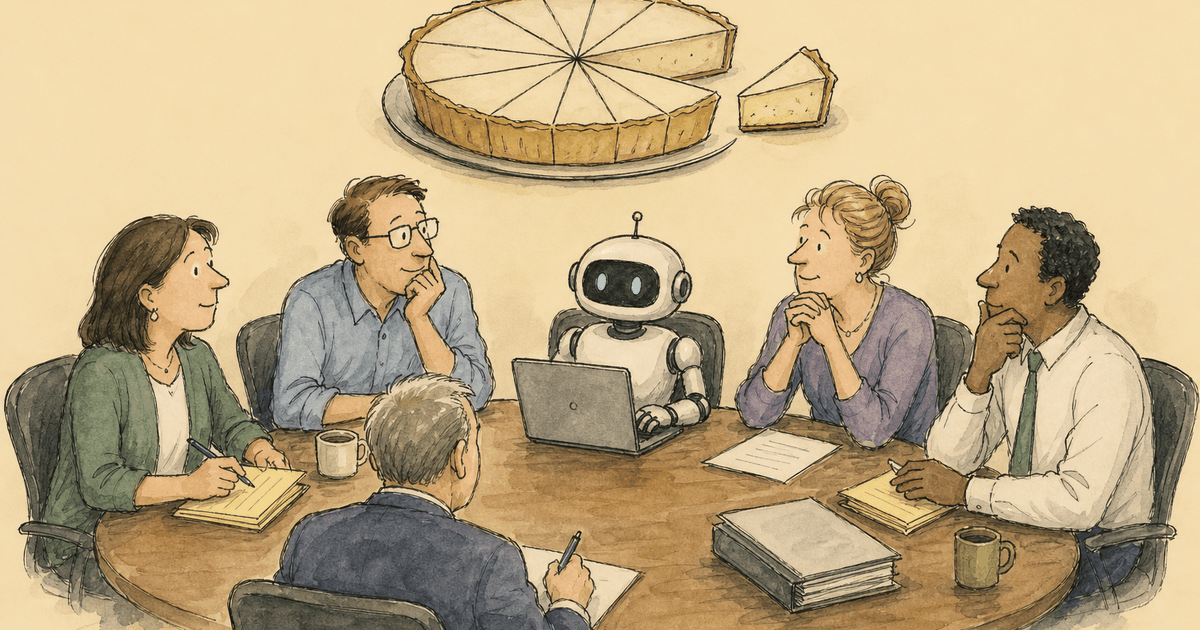
Why Do Two Agencies in the Same Market Get Different AI Results?
AI is a tool, and the agencies already using it are not smarter than you. They picked one repetitive task, ran a 30-day pilot on one person, proved the result, then moved on. The gap is not technology.
It is the decision to start. One owner is watching renewal volume pile up, service team begging for help, new-hire pipeline empty. The other is running the same book with one fewer CSR, turnaround inside 24 hours, and a job posting that's been dark for three months.
The difference isn't intelligence. It isn't capital. Risk & Insurance reports roughly one in three agencies is already using AI in some capacity, while 67 percent of principals say they're interested versus only 49 percent of staff.
The agencies in the first group didn't figure out anything mysterious. They just started earlier.
TL;DR
The agencies pulling ahead on AI are not smarter or better funded; they simply started, and the gap is a decision, not a technology. Only about 6 percent of independent agencies have fully implemented AI while roughly one in three already use it in some capacity, and 60 percent of insurance roles now expect data or AI fluency. The early movers did not buy 40-tool stacks: they picked the most repetitive, low-judgment task, ran a 30-day pilot on one person, tied it to a metric the team could see, then followed the friction to the next bottleneck.
The real barrier is the belief gap, with principals interested at 67 percent but staff at only 49 percent, so framing AI as added capacity for people rather than a replacement is what gets a team on board. This week, choose one repetitive task and start a single 30-day pilot rather than waiting for certainty about the future.
What Do the AI Adoption Numbers Actually Show?
Vertafore's 2024 Agency Workplace Report found nearly one in three agencies added new tech tools specifically to cope with hard market pressure. Not a technology story. A survival story.
When submission volume climbs, carrier communication gets complicated, and your team is already stretched, the agencies that added tools kept pace. The ones that waited kept adding headcount or burning out their best people. Jonus Group's talent data: 60 percent of insurance roles now require data analytics or AI fluency.
That number wasn't on the radar five years ago. If your agency isn't at least AI-adjacent, you're recruiting from a shrinking pool and training people into a workflow your competitors already moved past.
Which 5 AI Plays Can You Run Right Now?
The agencies ahead of this aren't running 40-tool stacks. They started with one problem, found one tool, proved the result, moved on. **1.
Start with the task that eats the most time and requires the least judgment.** Renewal prep, coverage summaries, policy comparison notes. Pick the single most repetitive task and run a 30-day pilot on one person before touching anything else. **2.
Frame it to your team first.** Risk & Insurance's survey shows the gap between principal interest (67 percent) and staff interest (49 percent) is real. Your team's default assumption: AI replaces people. Your job: show the opposite frame early.
This carries the work that drains them so they can spend more time on work that actually needs them. 3. Use Wingate's framing for rollout. Jack Wingate on the Insurance Dudes: "Automation should amplify human capacity, not replace judgment." That's your internal communication strategy.
AI handles volume. Your team handles judgment. Hold that line and adoption resistance drops.
4. Follow the friction, not the vendor pitch. Before picking a second tool, look at where the first one saved time. Usually surfaces a second bottleneck you hadn't noticed.
Sequence by following friction, not by following a sales deck. 5. Tie every tool to a metric your team can see. Turnaround time.
Renewal retention. Quote volume per CSR.
Make it visible. Kelly Donahue's work is consistent: teams adopt tools when they can see the tool working, not when they're told to trust it.
Why Is the Belief Gap the Real Barrier to AI Adoption?
Risk & Insurance's data surfaces something worth looking at directly. Agencies not using AI tend to split into two camps. One group thinks AI is coming for their jobs.
The other thinks it's a gimmick. Both are watching the same scoreboard and reading it wrong. First group is treating a tool like a threat.
Second group is treating an emerging standard like a fad. Neither helps them serve clients, develop their team, or build something worth selling.
The agencies actually using AI aren't the ones certain about the future. They're the ones who decided the cost of experimenting was lower than the cost of waiting.
How Does AI Adoption Affect Your Talent and Hiring?
Jonus Group's data on the 60 percent skills threshold is worth sitting with. The most talented early-career candidates have grown up with AI tools. When they look at two agencies and one runs modern systems while the other runs a 2015 workflow, they notice.
They choose accordingly. You're not just competing for clients.
You're competing for the people who'll carry your book in five years. Agencies showing up to that competition with modern tools have a visible advantage in a market where positions take six to twelve months to fill.
What Is the First AI Play You Should Run?
You don't need a CTO. Don't need a six-figure software budget. Need one 30-day pilot on one task for one person.
That's the picture the early movers started with. Most didn't know what they were doing when they started. They just started.
The gap between where you are and where they are isn't talent. It isn't capital. It's a first step that hasn't happened yet.
Run the pilot. Watch the numbers. Sequence from there.