
The Daily Morning Huddle Template That Runs Itself
By Craig Pretzinger and Jason Feltman
A morning huddle works when it is short, same time every day, and never about admin. Run four blocks in fifteen minutes: yesterday's win, one objection role-played, a ninety second call clip, and the number to beat today. Everything else goes to Slack.
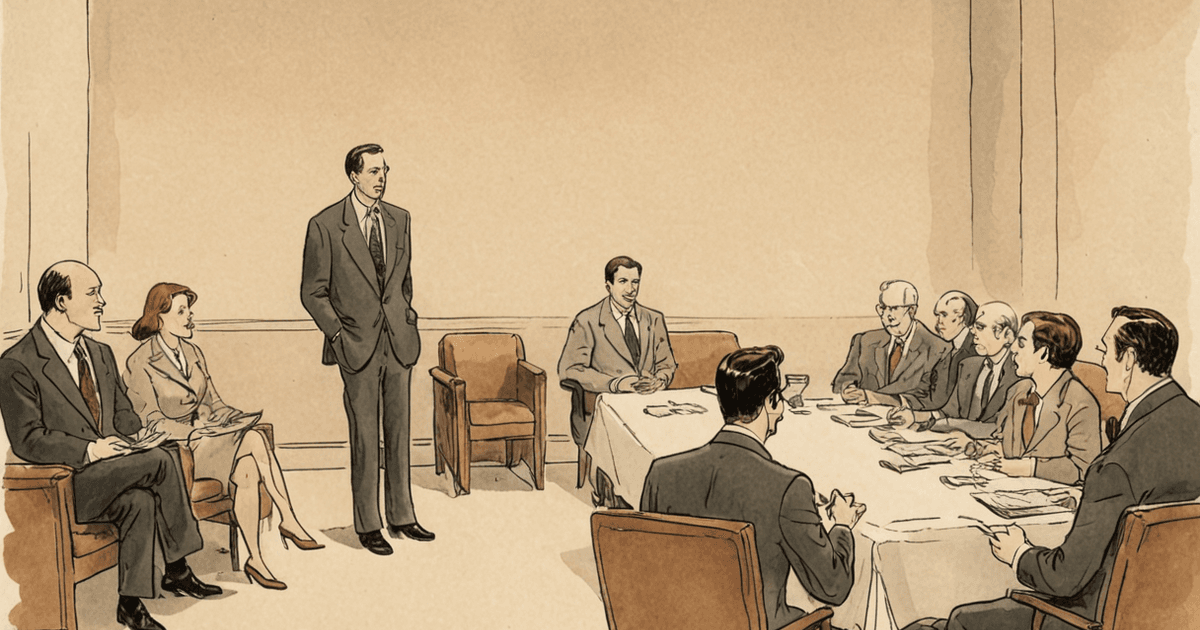
A morning huddle template is four timed blocks run in fifteen minutes, same time every day, before the dialer turns on. No status updates, no catching up. The old guys burn an hour; this ends with the coffee still hot.
TL;DR
The morning huddle is not a meeting, it is a pregame routine. Run four blocks in fifteen minutes: yesterday's win, one objection role-played, a ninety second call clip, and the number to beat today. Everything administrative goes to Slack, email, or the end of month meeting. Daily contact with a manager is the single strongest engagement lever there is, so the fifteen minutes pay for themselves before a single dial happens.
Key Takeaways
- Four blocks in fifteen minutes is the whole template: win, objection drill, call clip, the number to beat.
- Same time, same place, every day, run by the owner or sales manager, never cancelled.
- Admin updates go to Slack, never the huddle.
- Daily manager contact drives engagement, and daily recognition keeps producers longer.
- The huddle makes each producer face their own number before the dialer starts.
Why Does a Fifteen Minute Huddle Beat an Hour Long Meeting?
The hour meeting fails twice. First, it spends most of its time on status updates that nobody can act on, which is why Harvard Business Review found executives spending nearly 23 hours a week in meetings while most of them go nowhere useful, meetings swelling and multiplying past the point of value. Second, an hour meeting is long enough to drift, and drift is how a sales morning becomes a coffee break. Cornell's ILR school teaches the same warning about the annual cadence, that one big review conversation is not the same as steady daily contact, steering managers toward frequent feedback instead of the yearly event.
The fifteen minute huddle cannot drift. There is no room for it. You have four blocks on a timer and every block earns its seat. This is the same logic behind the weekly accountability meeting, tightened to a daily beat. The weekly version reviews the pattern; the daily version just makes sure today starts pointed at the right number.
But the deeper reason is engagement, not efficiency. SHRM's workforce research is blunt: 85 percent of employees feel more engaged when leaders communicate transparently, and companies running, regular feedback mechanisms report nearly 15 percent lower turnover. A producer who sees their manager every single morning stays connected to the mission in a way a Monday touchpoint never delivers.
What Are the Four Blocks in the Template?
The structure below is stolen straight from the playbook the Institute dudes and high performing agencies already run. Four blocks, timed, in order.
| Block | Time | What happens | | --- | --- | --- | | 1. Yesterday's win | 5 min | Name the top number and the one to beat today | | 2. Objection drill | 10 min | Role-play one objection, five reps per closer | | 3. Call clip | 10 min | Play a 90 second clip, break down what worked | | 4. Set the tone | 5 min | Reinforce the math and the mission |
Block two is where the money hides. Pick one objection a day, hot-seat style, five reps per closer, and by Friday your team has drilled five rebuttals to automatic. No whiteboard lecture needed, just repetition on a clock. This is the drill half of the producer accountability system running every day instead of once a week.
How Do You Keep Admin Updates Out of the Huddle?
You ban them, completely. The rule is simple: if it is about a procedure, a carrier change, a licensing deadline, or anything that could be an email, it goes to Slack or the end of month meeting. Never the morning huddle.
The huddle has one job only, script role plays, call teardowns, and alignment. When admin creeps in, the fifteen minute clock stretches to forty and the drill dies. That is the exact failure the meetings are famous for, so this rule is the load bearing wall of the whole template.
On top of that, the huddle owns accountability in a way a Slack message never can. A team that lists its one number every morning faces its own performance daily, and recognition follows the same rhythm. SHRM's survey found that more than half of HR leaders say recognition programs helped them retain employees, and the huddle is recognition on a daily timer instead of a yearly one. That daily rhythm ties straight into the point board from the producer scorecard template, where every morning starts by naming the top name and the number to beat.
When Do You Run It, and Who Runs It?
Same time, same place, every day, before outbound starts. The owner or sales manager runs it, and it is mandatory and never cancelled. Late means five dollars to the coffee fund, which is a cheap way to teach punctuality without a performance conversation.
Here is the sequence to launch it this week, in order. Run all five this week and hold them for thirty days.
- Pick a daily time and hold it for thirty straight days before you touch anything.
- Block the four segments on a visible timer so every block earns its seat.
- Move every admin item to Slack starting day one.
- Name the top performer and the one number to beat today in block one.
- Run the objection drill hot-seat style, five reps per closer.
A producer who sees their manager run a clock every morning, celebrate a win, and drill one skill before eight thirty starts their day different. High performing agencies measure this stuff for a reason: the Best Practices Study from Reagan Consulting has benchmarked sales productivity at top agencies for decades, and the pattern is always the same, measured leaders run measured systems. Peers your size are already posting a board and huddling on it every morning, while the producers chasing them are still sleeping through a status meeting.
What Does a Good Huddle Day Actually Look Like?
Picture it end to end. Eight thirty, the timer starts. Block one: the closer on a two-sale day gets named, the number to beat today goes up. Block two: the objection of the day is price, five reps hot-seat, steady.
Block three: a ninety second clip plays, everyone hears exactly where the prospect went quiet. Block four: you restate the math, one sale keeps the lights on, ten keeps the mission. Eight forty-five, done, dialer warm.
That is the whole job. No agenda document, no slide deck, no status readout. The Agency Performance Partners crowd has been preaching short daily process meetings for years, and the Killing Commercial sales community builds its entire training around meeting strategies and implement as you go systems, because a sales team that starts pointed beats one that starts cold. Run this template for thirty days and the commission statement will catch up to the board.
Sources cited in this analysis?
- SHRM: Building a Connected Workforce
- Harvard Business Review: Stop the Meeting Madness
- SHRM: Recognition Programs Target Engagement
- Reagan Consulting: Best Practices Study
- Insurance Journal: Agency Salary Survey
- Agency Performance Partners
- Killing Commercial: Sales Community
Frequently Asked Questions
How long should a morning huddle actually be?
Fifteen minutes, hard stop. The four blocks sum to thirty on paper, but you tighten it by running block one fast and capping the drill. Most teams land between fifteen and twenty. If it takes you forty, admin snuck back in.
Should the huddle be virtual or in person?
Either works, as long as it is the same every day and the timer still runs. Virtual teams run it on a standing call with cameras on. What matters is the rhythm, not the room, because a producer who dials from home gets the same pregame energy through a screen. Pick one format and never cancel it.
What if nobody has a win to share?
There is always a number to name, even on a quiet day. Post the leaderboard, name the top name from yesterday, and point at today's target. The win block sets tone, so paste whatever moved forward, a quote, a call back booked, anything.
Can the huddle replace a weekly sales meeting?
No, it does the daily work and the weekly meeting reviews the pattern. The daily huddle drills objections and names the top number, while the weekly session handles the bigger coaching, planning, and pipeline review that cannot fit in a fifteen minute timer. Run both, and each one makes the other feel shorter.