
Retention Rate LTV Curve: What a 5-Point Slip Costs You
By Craig Pretzinger and Jason Feltman
A five-point retention drop cuts lifetime value by roughly 37 percent because renewals compound through the R divided by one minus R equation. Most agencies run around 84 percent retention, and the gap between keeping a client and replacing one is the widest margin in the book.
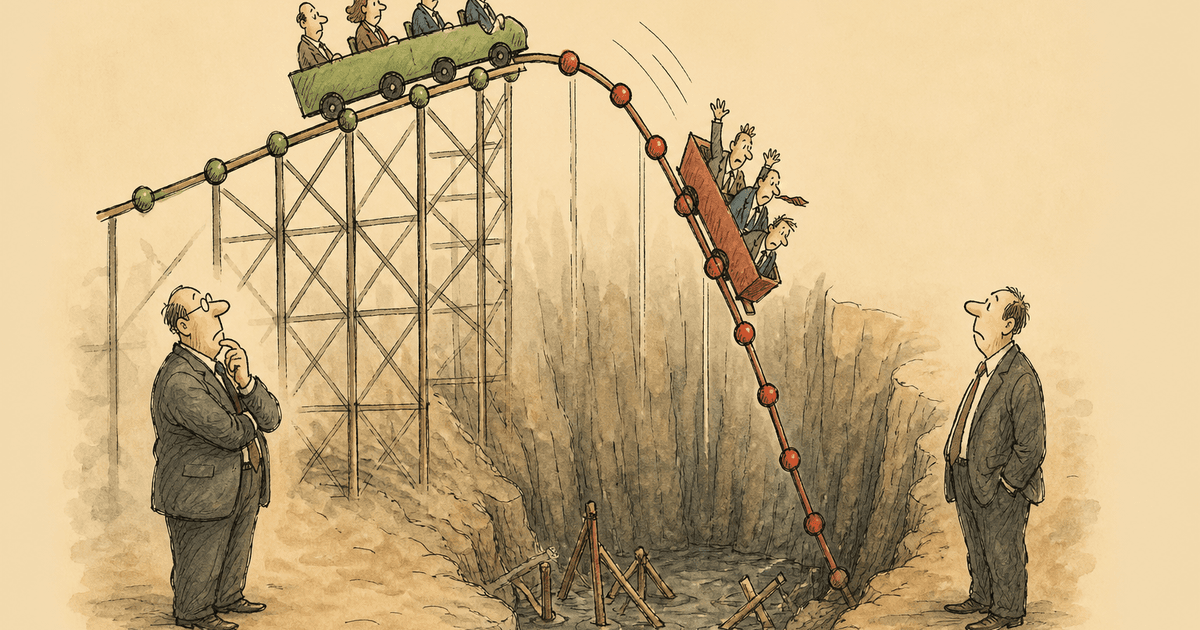
You count every new policy that walks in the front door. Almost nobody counts the ones slipping out the back, and a five-point retention drop costs you far more than five percent.
TL;DR
A five-point retention drop is not a five percent haircut. Because renewals compound, a slip from 90 percent retention to 85 percent cuts a client's lifetime value by nearly 37 percent. Most agencies sit near 84 percent retention, which means the margin between keeping a client and replacing one is the widest lever you own.
Key Takeaways
- Dropping retention from 90 to 85 percent cuts lifetime value by roughly 37 percent.
- The industry average retention is 84 percent, while top agencies hold 93 to 95 percent.
- Replacing a lost client costs 5 to 25 times what keeping one costs.
- Replacing a lost CSR or producer can cost half to twice their annual salary.
- The three retention moves are the cancellation save, the pre-renewal call, and the policy review.
Why does a five-point retention slip gut your book's value?
The pain is not linear. Your gut expects a 5 percent slip to feel like a 5 percent loss, but renewal revenue stacks on itself the way compound interest does.
The average number of renewals a client generates is the retention rate divided by one minus the retention rate. At 90 percent retention, that math gives you nine renewals per client. At 85 percent, it drops to five point seven. At 80 percent, it falls to four.
That is the whole curve in one line. A modest slip at the top of the chart yanks years off the tail where the real value lives, and the drop lands hardest exactly where captive owners can least afford it.
How does the renewal math compound against you?
Run the numbers on a real captive book. A $1,800 annual auto premium at a 10 percent commission pays you $180 on new business and $90 on each six-month renewal.
At 90 percent retention, that single client streams nine renewals, or $810 of renewal commission past the first year. At 85 percent retention, the same client streams five point seven renewals, closer to $510. The gap is not 5 percent. It is 37 percent of the lifetime value, gone, from a five-point slip.
That 37 percent is the silent tax. It does not show up on any single week's report, so it never triggers the alarm a missing producer would. The industry average retention sits at 84 percent, and the top agencies hold 93 to 95 percent. The agencies that clear 90 are funding their own growth with money the 84 percent crowd keeps spending on replacement.
What does replacing a lost client actually cost?
This is where the margin gets brutal. Acquiring a new customer costs five to twenty-five times more than retaining an existing one, and every client that walks out the back door is a client you now have to re-acquire at full price.
You already paid to buy that client once. The dials, the quote, the bind, the first-swing call are all sunk. Letting them lapse and buying a replacement means paying that acquisition cost a second time while the retention play would have cost a fraction.
The math of retention is the cheapest growth in your book. This is the same compounding logic we mapped in our breakdown of how to keep a captive-trained producer instead of watching them walk, and it shares a root with the renewal-compensation debate owners keep avoiding.
Why does employee churn quietly kill client retention?
Clients do not leave on abstract terms. They leave the day their renewal hits, they call for help, and the person who knew their account is gone.
Every time I lose a CSR, I lose a chunk of book I did not even know was attached to her. The clients never tell you why. They just show up on the competitor's roster by month two.
Cornell ILR research links employee churn directly to worse customer service, because every new hire pulls a veteran off client work to train them. SHRM puts the cost of replacing a single employee at 50 to 200 percent of their annual salary. Your CSR churn and your client retention are the same problem wearing two coats, and most owners only ever count the cheaper one.
What are the three retention moves that stop the bleed?
The fix is not a renewal-desk lottery. It is three procedures, run on a cadence, and they are the same moves we teach in our retention playbook for captive agencies.
First, the cancellation save. When a client calls to cancel or a payment bounces, a service rep frames it as a courtesy check and keeps the account. Second, the pre-renewal call, which lands before the carrier's rate-increase packet so you own the frame. Third, the policy review, which turns every household into a bundled account that renews at a higher rate.
None of these cost lead money. Each one compounds, and the difference between running them and skipping them is the exact 37 percent we started with.
Sources cited in this analysis?
- Harvard Business Review - The Value of Keeping the Right Customers
- PropertyCasualty360 - Insurance Agency Customer Retention
- PIA National - Know Your Agency's Retention Rate
- SHRM - The Myth of Replaceability
- Cornell ILR School - Employee Churn and Customer Service
- The Insurance Dudes - Finding and Keeping Agents
Frequently Asked Questions
How do I calculate my agency's retention rate?
Take the number of clients you kept at the end of the period, subtract any new clients you added during it, then divide that result by the clients you had at the very start. Multiply the final number by 100, and run the calculation monthly so you watch the trend line instead of reacting to any single noisy month.
What is a good retention rate for an agency?
The industry average is 84 percent, and elite agencies hold 93 to 95 percent. If you are below 88 percent, retention should become your number one priority because each point compounds into lifetime value over the five to nine renewal cycles a healthy client generates.
Does bundling really improve retention?
Yes, and by a wide margin. Accounts that carry auto plus home renew at a meaningfully higher rate than monoline accounts, because the friction of moving two policies keeps a household from re-shopping on every single renewal cycle that comes around.
When should I make my renewal calls?
Call 45 to 60 days before renewal, which lands you ahead of the carrier's rate-increase packet. If the client sees the higher rate in the mail first, they are already dialing three competitors before you ever reach them, and you lost the proactive frame entirely.