
Cancellation Save Process: Stop Accounts Leaving the Book
By Craig Pretzinger and Jason Feltman
A cancellation save process catches a client before they leave by triggering a courtesy call the moment a payment fails or a cancel request lands, then running a fixed save script that finds and fixes the real objection instead of arguing about price. Accounts saved this way stay on the book for several more renewal cycles.
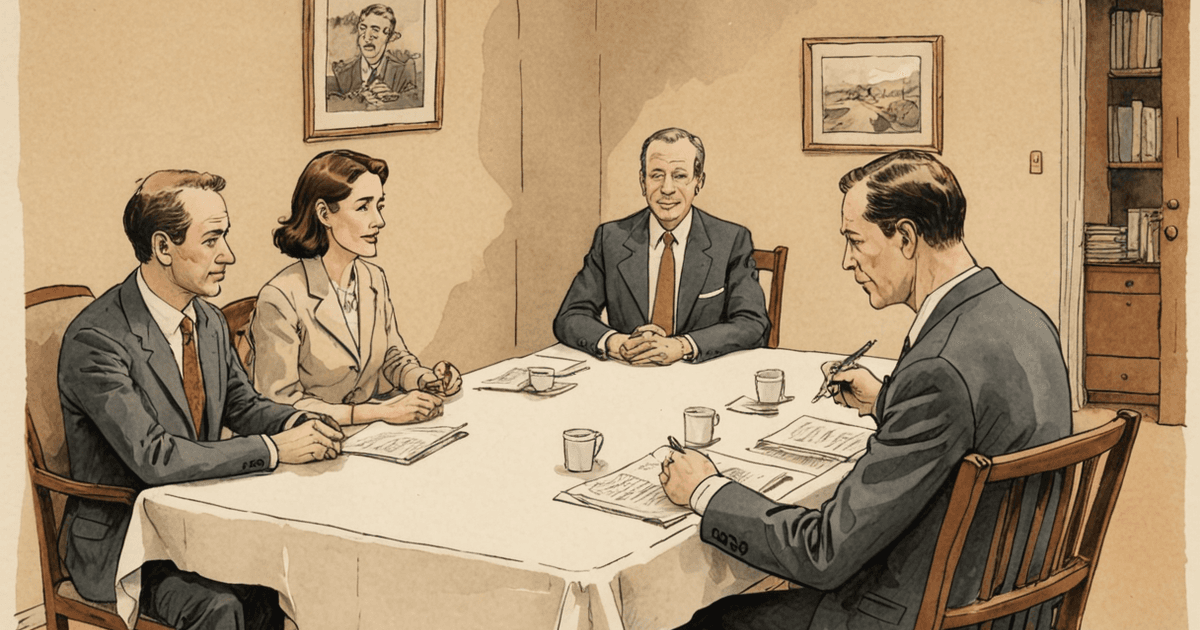
A cancellation is rarely a decision you were ever shown. It is a signal that showed up late, and by the time you read it on the renewal report, the decision was already made.
TL;DR
Most departed clients never told you they were leaving. They stopped a payment or filed a cancel request, and the agency found out weeks later on a shrinking renewal report. A two-step save process fixes this. It triggers a courtesy call the moment a payment fails or a cancel lands, then runs a short save script that finds the real objection and removes it. The accounts you save stay for several more renewal cycles, which costs a fraction of re-acquiring a new one.
Key Takeaways
- The industry average retention is 84 percent, while top agencies hold 93 to 95 percent.
- A payment failure or cancel request is your earliest and best save trigger.
- The save script reframes the call as a courtesy check, not a collection threat.
- Saved accounts compound through renewal cycles and cost far less than replacement.
- The same save process runs on a fixed cadence, never on memory.
When is a cancellation actually winnable?
The winnable moment is the gap between the trigger and the lapse. A client who bounced a payment or emailed a cancel request has not always decided to leave. Often they hit a snag, a rate change, or a service miss, and someone simply needs to reach them first.
The industry average retention sits at 84 percent, while top agencies clear 93 to 95 percent. That spread is not luck, and it is not a better book. It is the gap between waiting for a client to walk out and reaching them the day trouble starts.
How does the courtesy-call trigger work?
The trigger is the cancellation save, and it begins the instant a payment fails or a cancel request lands. You do not wait for the renewal report because by then the account is already gone.
A service rep calls and frames it as a courtesy check that blames the bank, not the client. Something happened with the auto-pay, the message goes, and you wanted to flag it before the policy lapses.
That one sentence removes the shame that makes people dodge collection calls, and it turns the client into a partner in a small fix rather than a debtor. The rep then collects payment on the same call, confirms auto-pay is fixed, and the account never lapses.
What is the cancellation save script?
When a client is genuinely shopping or already filing a cancel, the save script turns. The framing is a simple question rather than an argument, because the moment you argue about price you lose the real reason.
The script turns the tense moment into a short sequence. Then it runs like this:
- Ask what drove the change with a low-pressure line like, before we do that, can I ask what is behind it.
- Restate the reason back so the client feels heard, and separate the rate number from the coverage that actually changed.
- Fix the real objection when it is fixable, such as a billing date, a deductible, or a coverage gap.
- If the objection is price, show the bundled value or the auto-with-home discount rather than defending one number.
- Close the save by confirming the policy is staying and scheduling the next review.
The point is to isolate the true objection, not to win on every point. A save that fixes one real thing beats a save that argues five things and loses.
Why do most saves fail before the call starts?
Most saves are already lost because nobody made the call. The trigger was never wired, so a bounced payment sat in a queue and a cancel request sat in an inbox for a week.
The clients never told me why. They just stopped paying, and by the time I noticed the renewal report was short, they had a policy with the guy down the street.
This is a people problem disguised as a process gap. Cornell ILR research ties employee churn directly to degraded customer service, because a departure or an overloaded rep means nobody is watching the triggers. And replacing an employee costs 50 to 200 percent of their salary, so the churn that breaks your save process is also quietly the most expensive line on the books.
What does a saved account actually earn you?
A saved account is recurring revenue you do not have to buy again. Acquiring a new customer costs five to twenty-five times what keeping one costs, so every save is the cheapest premium you will ever book.
The math stacks the moment the account stays. A client you keep rolls through another six-month renewal, then another, and each one pays commission with zero acquisition cost. We mapped the full curve in our breakdown of what a retention slip costs your lifetime value, and the save call is the front line of that same fight.
This is also the play we walk through in our pre-renewal call script, which lands before the rate-increase packet. The same service rep who runs the save is the person whose DISC profile fits the pacifist role of keeping accounts calm.
How do you make the save a repeatable process?
The save works only when it runs on a cadence, never on memory. Wire the trigger to the payment system and the cancel inbox, assign a named rep, and measure saves as a weekly number.
A wish produces a renewal report you dread, while a process produces a number you can improve each week. Here is the difference between the two:
| A wish | A process |
|---|---|
| Wait for the renewal report | React the day a payment fails |
| Hope a rep calls back | A fixed script and a named owner |
| Argue the price on instinct | Isolate and fix the real objection |
| Count saves once a year | Track saves weekly and coach the misses |
A process you can see produces a number you can improve. A wish produces a renewal report you dread, which is the exact feeling the save process exists to remove.
Sources cited in this analysis?
- PropertyCasualty360 - How Insurance Agencies Can Boost Customer Retention
- Harvard Business Review - The Value of Keeping the Right Customers
- Agency Performance Partners - Improve Insurance Agency Retention
- SHRM - The Myth of Replaceability
- Cornell ILR School - Employee Churn and Customer Service
- PIA National - Know Your Agency's Retention Rate
- The Insurance Dudes - Finding and Keeping Agents
Frequently Asked Questions
How do I know which cancellations are worth trying to save?
Start with the ones that carry a real trigger, a payment failure, a cancel request, or a rate jump, and reach them the same day it fires. A client who has not yet bought elsewhere is the save that wins, so speed beats guessing loyalty. If they already left, skip and keep the cadence.
What should a rep say to a client who is angry about a rate increase?
Separate the number from the change. Ask what specifically drove the jump, restate it back so they feel heard, then show the bundled or loyalty value and any discount. Defending one figure as a fixed quote loses the call; fixing the real objection wins it.
Can a save hurt the client relationship?
Only if it reads as pressure. If the rep frames it as a courtesy check and a genuine fix, the client either stays or leaves with goodwill intact. That beats silent churn, where you lose the account and never learn why.
When should the save call happen?
The same day the trigger fires. A payment failure or cancel request is your earliest signal, so the call lands that afternoon, not next week. Waiting even a few days lets the client buy elsewhere and turns a winnable save into a lost account.