
How to Renegotiate Producer Compensation After Validation
By Craig Pretzinger and Jason Feltman
When a producer validates, the recoverable draw that funded their three year ramp has to become a production based split, usually a base and growth model. Grandfather the plan on accounts already on the books and run the new split on new business so the producer keeps income while the agency rebalances. Renegotiate on the math, not the relationship.
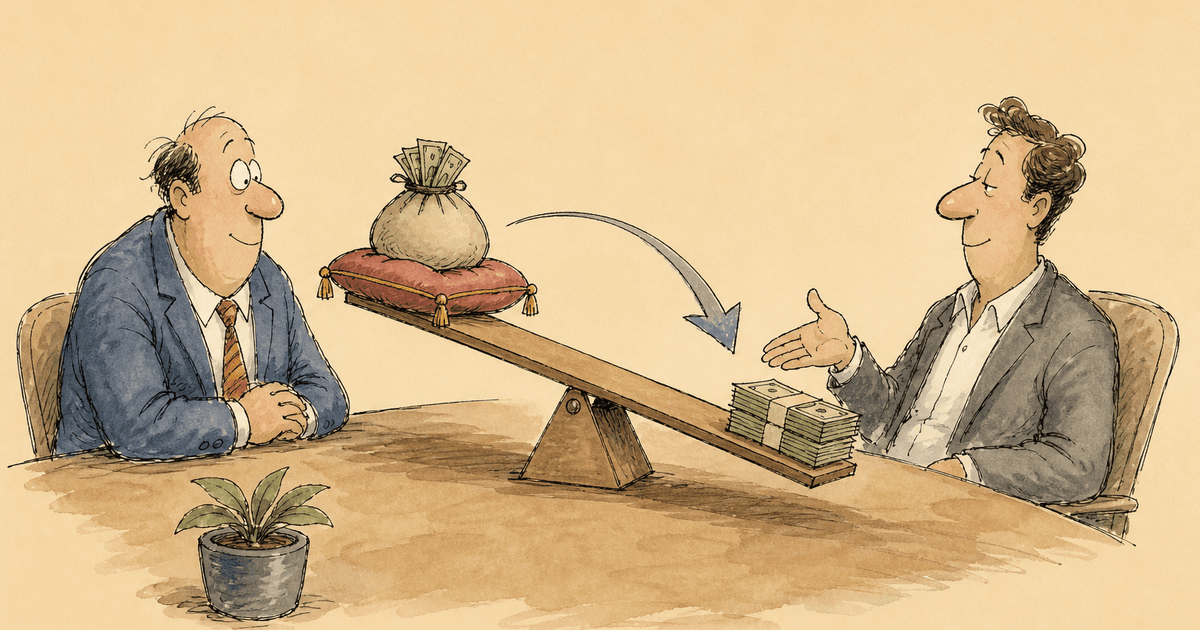
You funded a three year ramp so a producer could finally validate, and now the pay structure that carried them has to change. The fix is moving them onto a base and growth split, with the accounts they own grandfathered, and running the new math only on new business.
The alternative is worse. Leave the draw in place and the agency keeps subsidizing a producer who has already paid for their seat.
TL;DR
Renegotiating producer comp at validation is not a pay cut. It is the moment the recoverable draw that funded the ramp converts into a real production split.
The clean way is a base and growth model. It pays a lower rate on the existing book and a higher rate on new business, with the old plan grandfathered so income holds.
Renegotiate on the numbers, not the relationship. Producers who see the math stay. The ones you lose were already looking at the door.
Key Takeaways
- Validation marks the day the recoverable draw should convert to a production based split.
- A base and growth model pays roughly 25 percent on the existing book and 40 percent on new business.
- Grandfather the current plan on accounts already owned and run the new split only on new business.
- Start the conversation the quarter before validation so the producer never feels a sudden cut.
- Lead with the math, because a producer who can see the next dollar is worth more will stay for it.
Why does validation force a compensation conversation?
Validation is the point where a producer's commission finally covers the cost of their seat. The three year schedule grades year one on activity, year two on book building, and year three on exactly that break even line, per the IA Magazine validation plan.
The draw was the agency's bridge loan across the gap. Once the producer crosses it, running the draw in place means the agency keeps paying a subsidy on a producer who is now self funding.
That is the bruise you have to sit with first. You carried the negative payroll for years, and the moment it should end is the moment the conversation gets uncomfortable.
The discomfort is the point. A producer who has watched their own book compound knows the ramp is over better than you do.
What does the new plan actually look like?
The standard handoff is a base and growth model. As the Big I Virtual University frame lays out, the producer earns roughly 25 percent on their base book and 40 percent on growth above it. That is the same declining base and rising split that funds a six figure producer plan.
The base is whatever commission their book produced the prior year. Growth is every new dollar above that line, and that is exactly the incentive that pushed producer income into O*NET's insurance sales wage profile.
That split does two things at once. It keeps the producer whole on what they already built, and it makes the next dollar of new business the most valuable dollar they can earn.
The tier is the handcuff. Agencies stack the split upward as the book grows, so a larger producer earns a larger cut and a stronger reason to stay. That structure is why Reagan's Best Practices benchmarks track producer economics year over year.
How do you grandfather the existing book without breaking trust?
Grandfather the plan that is already on the books. Keep the existing split on accounts the producer already controls and run the new plan only on new business, so the producers take home holds while the agency rebalances. The base and growth model does this by construction: the base rate applies to the book they already built and the growth rate only to new dollars.
That means the producer's take home does not drop on day one. The old accounts keep the old split and the new accounts run the new one.
What you lose is the compounding drag. Every renewal that renews under the old, richer split is a dollar that never migrates to the new reality.
Still, the trade off is worth it. A producer who feels the floor move under them starts dialing their next agency instead of dialing your prospects.
Is this a pay cut or a rebalance?
It is a rebalance if you build it right. Total compensation is already the largest single expense line in an agency, and even the broader employment cost picture is only softening, not reversing, per the Cornell ILR employment cost index. That is why renewal split math has to be settled before the ramp even ends.
A producer who sees a flat cut reads it as a penalty for succeeding. A producer who sees a growth split reads it as a raise on every dollar they add next.
The math is the argument. At 40 percent on growth versus 25 percent on base, a producer who adds real new business this year out earns the one who coasts on the old draw. You can build the whole projection on a producer scorecard before you say a word.
"The first time I had to move a producer off the draw, I did not sleep the week before. I sat across the table braced for him to walk out. He did the math in about ninety seconds and said okay." That is the way most owners describe the moment they finally renegotiate, and it never goes the way the dread said it would.
Your gut has always known which of your people is in which camp. The renegotiation just makes that call visible on paper.
When should you start the conversation?
Start it the quarter before validation lands, not the quarter after. Producers do not like surprises on their check, and this is a surprise with a zero on it.
Walk them through the coming transition while the ramp is still ending. Show them the base and growth numbers projected a year out.
That gives them time to run their own math. People who have done the calculation rarely argue with it.
The owners who wait until the draw has been an overpayment for two quarters end up re hiring. They are the ones who just vacated the seat they paid three years to fill.
Sources cited in this analysis?
- Mile Markers: A 3-Year Plan to Validate a New Producer
- Producer Compensation: A Base/Growth Model
- Reagan Consulting: Best Practices
- Cornell ILR School: Employment Cost Index
- O*NET OnLine: Insurance Sales Agents
Frequently Asked Questions
What is validation for an insurance producer?
Validation is the point where a producer's commission equals the cost of paying them. It is the year three finish line on a three year schedule, not a year one target. Grading a brand new producer on this number early is the most common measurement error an agency owner makes, and it fires the wrong people.
Should I renegotiate comp the day a producer validates?
Start the quarter before validation lands, not the day it does. Running the conversation ahead lets the producer project the base and growth math a year out. A producer who has run their own numbers rarely argues with a split that rewards their next dollar of new business.
What is a base and growth commission model?
It pays a lower rate on the existing book, around 25 percent, and a higher rate on growth above that, around 40 percent. The base resets each year to the prior year's book. That keeps the producer whole on what they built while making new business the most valuable work they can do.
Will a producer leave over a new comp plan?
Only the ones already leaning toward the door. Producers who see a growth split as a raise on new business stay, and they usually sell more for it. The key is grandfathering the existing plan so take home never drops on day one of the switch. Miss that and a strong producer quietly starts taking calls.