
How to Build a Team DISC Communication Playbook That Sticks
By Craig Pretzinger and Jason Feltman
A team DISC communication playbook names how each person on your staff gives and receives information, then gives every handoff one repeatable rule. Map each role to a DISC profile, write the rule in plain language, and run it for thirty days. The same friction that was burning meetings becomes a system your team can follow, week after week.
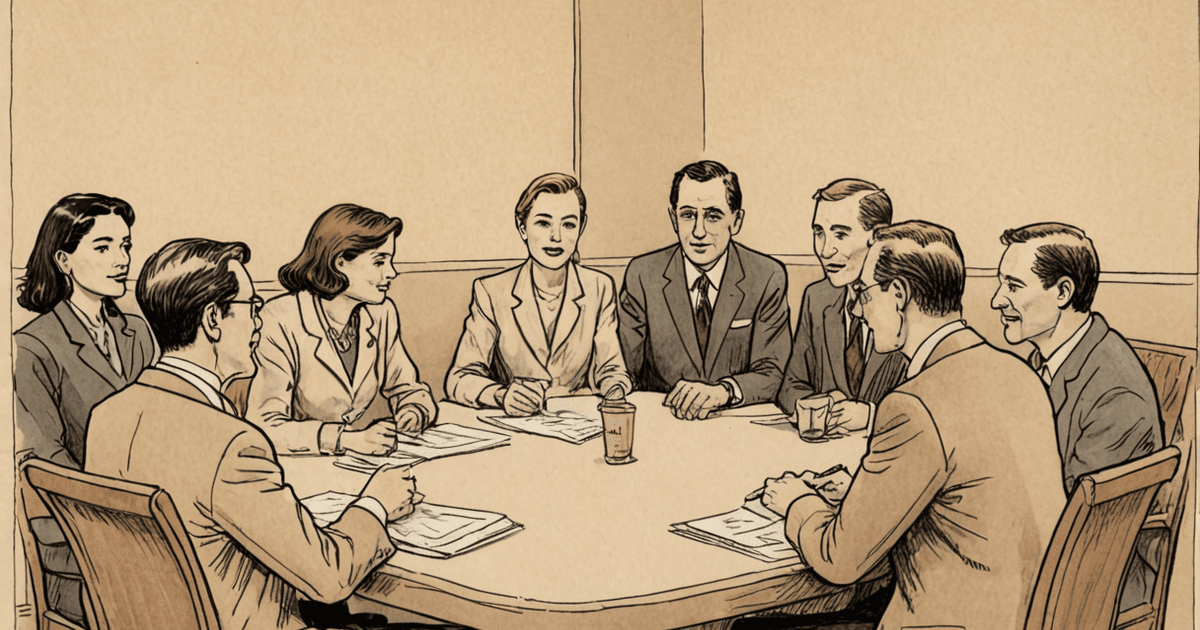
The same five sentences get said in your office every week, and they mean four different things depending on who hears them. A team DISC communication playbook names how each person gives and receives information, then gives every handoff one rule.
TL;DR
Your team is not bad at communicating; it is wired four different ways. DISC measures four tendencies that change how each person hears the same sentence. A communication playbook maps each role to a profile, writes one rule per handoff in plain language, and ships it as a one-page chart the team can follow. The drag you feel is a system gap, not a people problem, and the fix is a system, not a speech.
Key Takeaways
- Each DISC profile gives and receives information differently, so the same sentence means different things across your team.
- One written rule per recurring handoff removes the referee work the owner keeps getting pulled into.
- A single one-page chart is enough to shift an eight-person team in about thirty days.
Why Does the Same Sentence Mean Four Different Things to My Team?
The DISC framework sorts behavior into Dominance, Influence, Steadiness, and Conscientiousness. Each profile picks a different channel to send and a different filter to receive. A high-D hears "do this" as a target. A high-S hears it as pressure with no frame. Neither is wrong.
The reason it feels heavy is that you have been carrying the translation in your head. Every handoff passes through you because nobody else holds the map. That is the drag in your shoulders by Tuesday afternoon.
Research ties this kind of team friction directly to turnover, and turnover to the service your clients feel. You are not just refereeing a sentence. You are paying for it every month in rework and re-explaining.
What Is a Team DISC Communication Playbook, Exactly?
It is a one-page chart, not a training program. The chart lists each role on your team, the DISC profile that role tends toward, how that person likes to receive information, and one rule for the handoffs that repeat most.
The way most owners describe the fix is blunt: I stopped being the answer key. Now there is a paper on the wall, and when two people miss each other, one of them points at the rule instead of back at me.
Everything DiSC exists to make these profiles concrete and usable on the job, not to put people in boxes. The playbook pulls that same idea into your daily handoffs.
How Do I Map My Team to a Playbook?
Four moves, in order. Do not skip the written part.
- List every recurring handoff on the team, from renewal walk-ins to service tickets.
- Note the DISC profile each role leans toward, using the profiles you already use for team composition.
- Write one rule per handoff in plain language, under ten words.
- Post the chart where everyone works and run it for thirty days.
The written rule is the lever. A high-S given "flag any endorsement over fifteen percent by end of day" moves fast because the rule is on paper. The same request spoken out loud reads as pressure and stalls. Giving a profile the frame it already trusts turns friction into a working handoff.
The sequence matters more than the words. Once the team sees the pattern hold for a month, the same belief lands that you have been trying to install by talking: this is a system, not a lecture.
Which Rules Fix the Handoffs That Repeat Most?
Three handoffs carry most of the friction in an agency, and each one gets a single short rule that points at the gap instead of the person. Here is how each handoff and its rule line up.
| Handoff | The gap | The rule | | --- | --- | --- | | Producer walks a renewal in | High-D wants speed, high-S wants a safe frame | Everything goes on the endorsement sheet before the desk | | Service flags a coverage gap | High-S flags softly, high-C wants every fact | Flag it in writing with one number attached | | New producer needs a lead | High-D wants volume, high-S wants order | Batch leads into a shared queue, never a spoken ask |
Each rule is short, written, and points at the handoff instead of the person. This is the same naming-the-gap move that ends conflict pairs, applied to your everyday flow rather than a single blowup.
How Do I Keep the Playbook from Going Stale?
Most systems die in week three because the owner stops running them. SHRM's guidance is plain: conflict stays managed only when leadership builds a standing structure instead of firefighting it. The playbook is that structure.
Fold it into the meeting you already run. A daily huddle gives you a fifteen-minute slot to review one handoff and one rule every morning. That cadence keeps the chart alive without adding a single new meeting to your week.
The payoff is quiet and compounding. Teams hold up under pressure when they name how each person processes information instead of pretending everyone is identical. Your job shrinks from answering every question to pointing at a rule, and the team starts running the same business with less of you in the middle.
Sources cited in this analysis?
- Wikipedia - DISC Assessment
- Wiley - Everything DiSC Assessments
- SHRM - Managing Conflict in the Workplace
- Harvard Business Review - Prevent Team Friction from Turning into Dysfunction
- Cornell ILR School - Worker Turnover Hurts Customer Service
- Gallup - Workplace and Manager Quality
- Insurance Dudes - DISC Profiles and Producer Hiring
Frequently Asked Questions
How Long Does It Take to Build a Team DISC Communication Playbook?
About ninety minutes to build the chart and thirty days to let it stick. The mapping and the three rules are the fast part. The repetition is the slow part, and the daily huddle slot is what carries the playbook past the week-three cliff where most systems die.
Should I Run a Formal DISC Assessment for Every Employee?
No. You need the profile the role tends toward, which you can start from the same assessment you already run for team composition. Start with the roles, not the names, so the chart holds even when people move. It is a handoff rule, not a permanent label on a person.
What If a Team Member Rejects Their Profile?
Do not argue the label. The playbook is about the handoff, not the person, and the rule works whether or not someone agrees with their profile. You install the rule and let the friction drop on its own. Pointing at the paper beats defending a personality label every time.
Can One Playbook Cover a Growing Agency?
It scales cleanly because it is written by handoff, not by person. A new role gets a rule added to the chart, not a new meeting or a new refereeing job for you. The team composition map you build next hires into that same structure, so the playbook grows with the team instead of breaking beside it.